
How Much Exercise Do You Need Each Week? A Practical Guide
Public health guidelines give a clear weekly target for aerobic activity and strength training, and this guide shows how to fit it into a normal schedule.
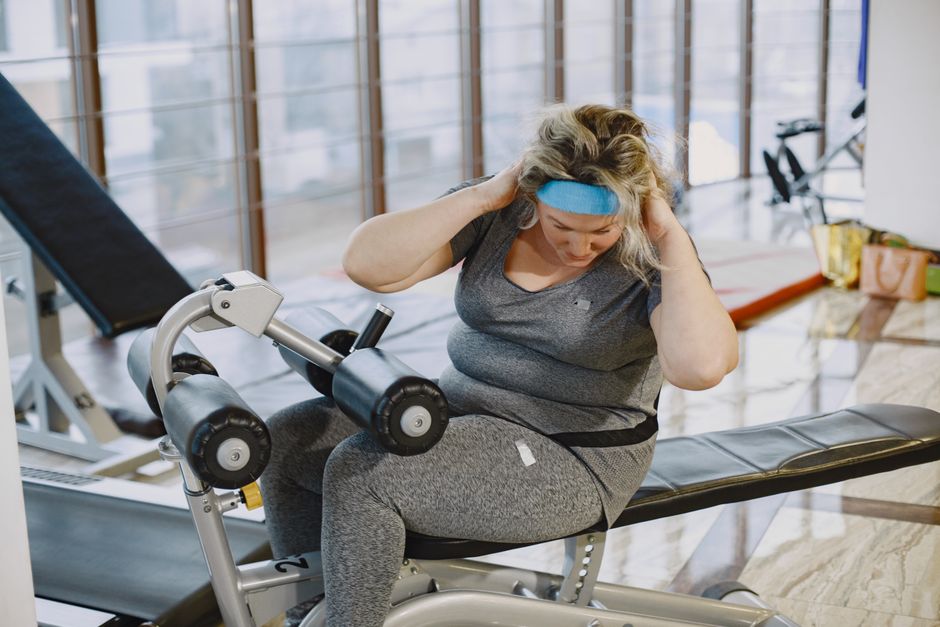
If you have ever wondered whether your workouts are enough, you are not alone. The question sounds simple, but the answer depends on your starting point, your schedule, and what you want from exercise. Fortunately, major health organizations have published clear baseline recommendations, and they are more flexible than many people expect. This article walks through those targets, explains how to turn them into a weekly plan, and offers a short home routine to cover the strength portion. Think of the numbers as a starting framework rather than a rigid rule.
The baseline: what public guidance recommends
For healthy adults, both the World Health Organization and the U.S. Physical Activity Guidelines for Americans recommend at least 150 minutes of moderate-intensity aerobic activity per week, or at least 75 minutes of vigorous-intensity activity, or an equivalent mix of the two. They also recommend muscle-strengthening activities that work all major muscle groups on 2 or more days per week.
Moderate intensity usually means your breathing is faster but you can still talk in full sentences, such as brisk walking or easy cycling. Vigorous intensity means talking is limited to a few words at a time, such as running or fast cycling. As a rough guide, one minute of vigorous activity is often counted as about two minutes of moderate activity.
These are minimums for general health, not ceilings. The guidelines also note that additional activity can bring further benefits for many people, and that any movement is better than none.
Turning the numbers into a weekly plan
150 minutes sounds like a lot until you break it up. Thirty minutes on five days works, and so does three 50-minute sessions. Shorter bouts add up too, so a 10-minute walk after meals counts toward your total. Choose the pattern you are most likely to repeat.
A simple example week: brisk walks of 30 minutes on Monday, Wednesday, and Friday, a 30-minute bike ride or easy jog on Saturday, and 20 to 30 minutes of bodyweight strength work on Tuesday and Thursday. Sunday is a rest or gentle-movement day. Adjust the days around your life rather than forcing a perfect template.
If you are just starting out
If you are new to exercise or returning after a long break, reaching 150 minutes right away is not necessary. Begin with what feels manageable, perhaps 10 to 15 minutes a few times a week, and add a little time gradually over several weeks. Public guidance generally encourages starting low and increasing slowly.
Consistency matters more than any single session. A modest routine you keep for months is more useful than an ambitious one you abandon after a week.
Strength training: how much is enough
The strength recommendation is two non-consecutive days per week that train the legs, hips, back, chest, shoulders, and arms. For most beginners, one to three sets of 8 to 12 repetitions per exercise is a common and sensible range, using a weight or body position that challenges you while keeping good form.
You do not need a full gym. Bodyweight, a pair of dumbbells, or a resistance band is enough to cover the basics. The routine below takes about 20 to 25 minutes and can be done at home.
Listening to your body and adjusting
Soreness that fades within a day or two is normal after new exercise. Sharp pain, dizziness, or unusual shortness of breath is not. Rest days are part of the plan, since they give your body time to adapt. If sleep, mood, or energy are suffering, scale back before adding more.
Older adults, people with health conditions, those who are pregnant or postpartum, and anyone with concerns should check with a doctor or other qualified professional, as guidelines include specific advice for these groups.
Exercises
Bodyweight Squat
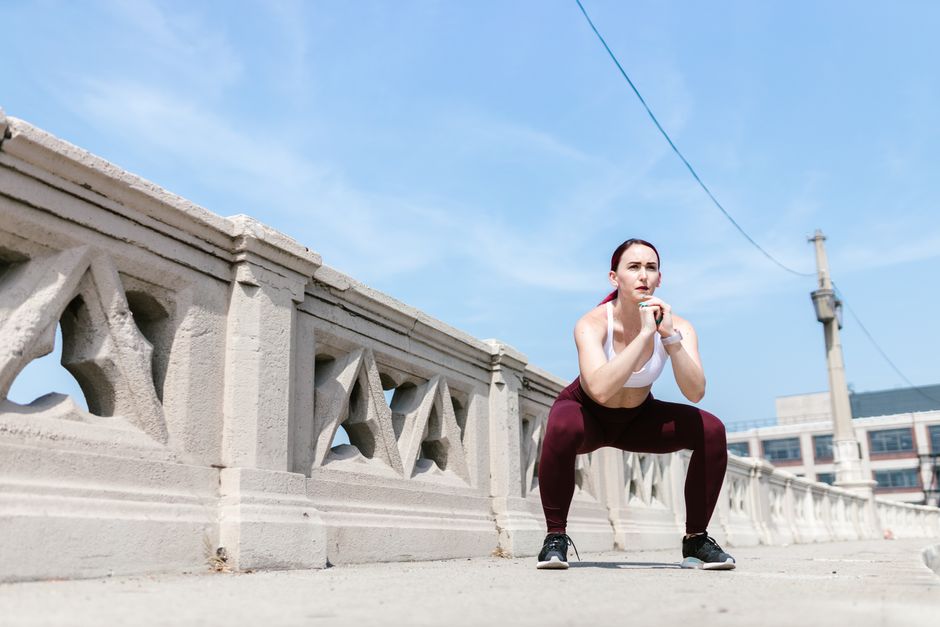
Sets and reps: 2 sets of 10-12 reps
Stand with feet about shoulder-width apart, sit your hips back and down as if into a chair, keep your chest up and heels on the floor, then stand tall. Hold a light dumbbell at your chest if it becomes easy.
Incline or Knee Push-Up
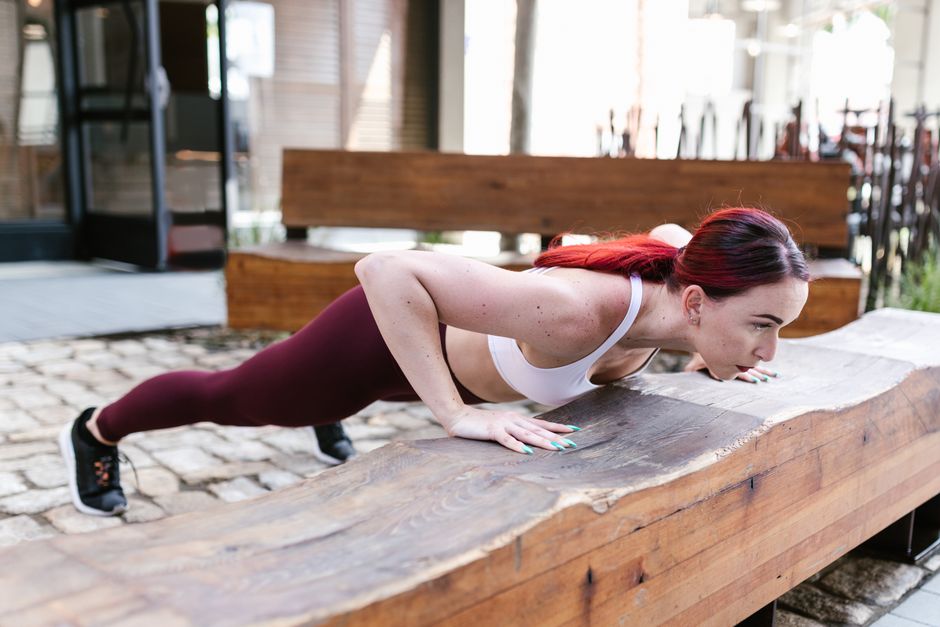
Sets and reps: 2 sets of 8-10 reps
Place your hands on a sturdy counter or bench, or lower your knees to the floor. Keep your body in a straight line and lower your chest under control. Progress to a lower surface over time.
Dumbbell or Band Row
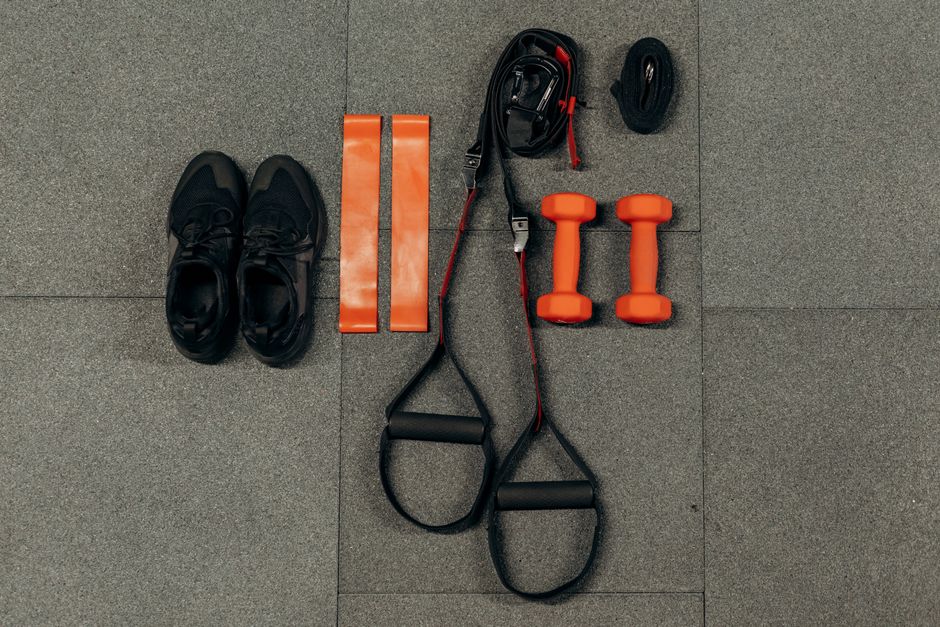
Sets and reps: 2 sets of 10-12 reps per side
Hinge forward at the hips with a flat back and pull the weight or band toward your ribs, squeezing your shoulder blade back. Lower slowly. Use a light weight to start.
Forearm Plank
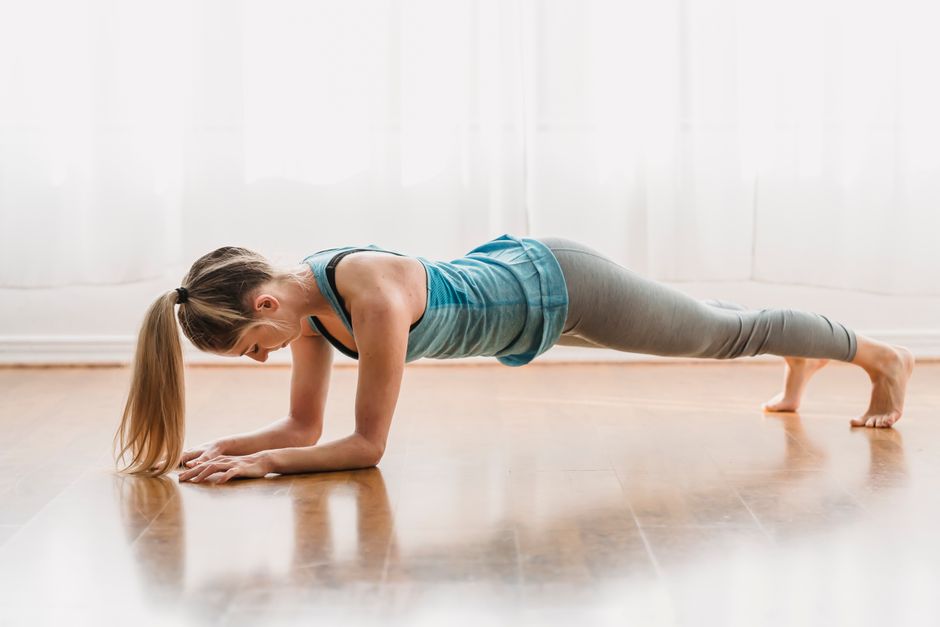
Sets and reps: 2 holds of 15-30 seconds
Keep elbows under shoulders and body in a straight line from head to heels. Stop when your form slips. Drop to your knees if needed.
This article is general information, not medical advice. Talk to a doctor or qualified professional before starting a new exercise program.