
Beginner Full-Body Strength Training: A Simple 4-Exercise Plan for Home
This beginner-friendly routine uses four basic movements and a pair of dumbbells to help you start strength training with confidence at home.
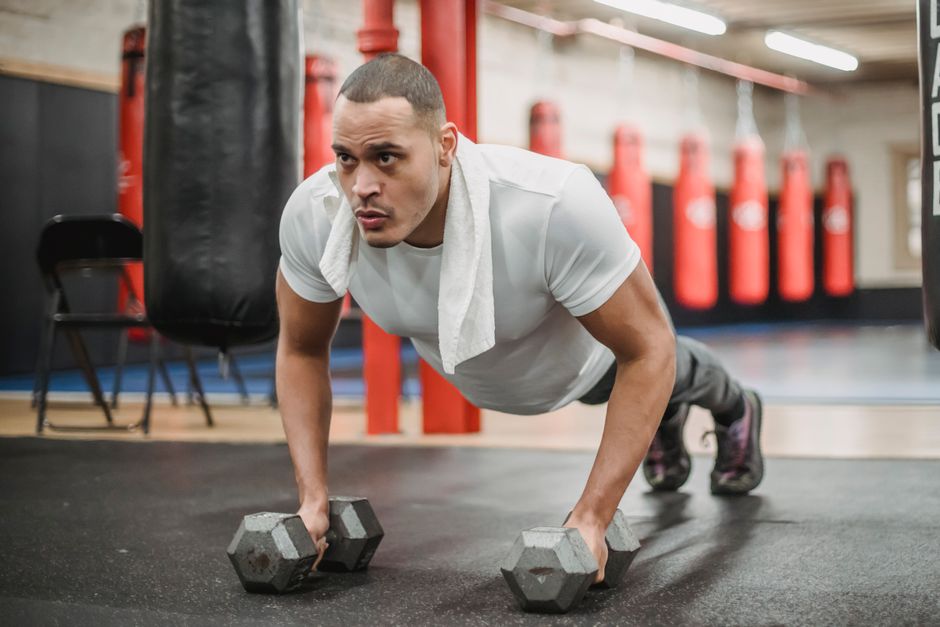
Starting strength training can feel confusing when you're faced with endless exercises, programs, and opinions. The good news is that a beginner doesn't need a complicated plan. A handful of basic movements, done with controlled form and a manageable weight, can cover the major muscle groups and give you a solid base to build on. This article walks through a short full-body routine you can do at home with a pair of dumbbells (or a couple of sturdy household weights) and a bit of floor space, plus guidance on how to schedule it, choose your weights, and progress gradually.
Why a full-body approach works well for beginners
A full-body session trains your legs, hips, back, chest, shoulders, and arms in one workout. For someone new to lifting, this has practical advantages. You practice each movement pattern more often, which helps the exercises feel familiar sooner. You also don't need to schedule five or six gym days, because two or three shorter sessions a week is plenty to start.
Public health guidance points the same way. The U.S. Physical Activity Guidelines and the CDC both recommend that adults do muscle-strengthening activities that work all the major muscle groups on at least 2 days per week, in addition to aerobic activity. The World Health Organization gives similar advice for adults. A simple full-body routine is an easy way to meet that recommendation.
How to set up your week
Aim for two non-consecutive days per week, such as Monday and Thursday, or Tuesday and Saturday. This leaves a day or more between sessions so your muscles have time to recover. If you feel good after a few weeks and want to add a third day, you can, but two is a perfectly reasonable place to stay.
Strength work is only one part of an active week. The guidelines linked below also describe aerobic activity, such as brisk walking, as part of a well-rounded routine. Think of this workout as a complement to the walking, cycling, or other movement you already enjoy, not a replacement for it.
Warm up before you begin
Spend about five minutes getting ready. March in place or walk around the house, then do some easy arm circles, hip circles, and bodyweight squats to the depth that feels comfortable. The goal is to feel slightly warmer and looser, not tired. Before each exercise below, you can also do one very light practice set to rehearse the movement.
Choosing your weight and effort level
The right weight lets you finish every repetition with good form while feeling that the last two or three reps in a set are challenging but not grinding. If your technique starts to fall apart, the weight is too heavy for now. If you could easily do many more reps than planned, go up a little next time.
Beginners often do best by starting conservatively. It is fine, and even smart, to begin with bodyweight or very light dumbbells for the first week or two while you learn the movements. Rest about 60 to 90 seconds between sets, and breathe steadily rather than holding your breath.
How to progress without rushing
Pick a rep range, such as 8 to 12, and start at the low end with a weight you can control. Each session, try to add a rep or two per set. Once you can complete all sets at the top of the range with good form, increase the weight slightly and drop back to the lower end of the range. You can also progress by slowing down the lowering phase of each rep, adding a set, or moving to a slightly harder variation.
Progress is rarely a straight line. Sleep, stress, and busy weeks all affect how you feel. If you have an off day, it's fine to repeat the same weights or reduce them a bit. Consistency over many weeks matters more than any single workout.
A note on soreness and recovery
Mild muscle soreness a day or two after starting a new routine is common. Sharp pain, joint pain, numbness, or pain that gets worse as you move is different, and it's a reason to stop and reassess. Easy walking and gentle movement between sessions are usually fine and may feel good.
Exercises
Goblet Squat
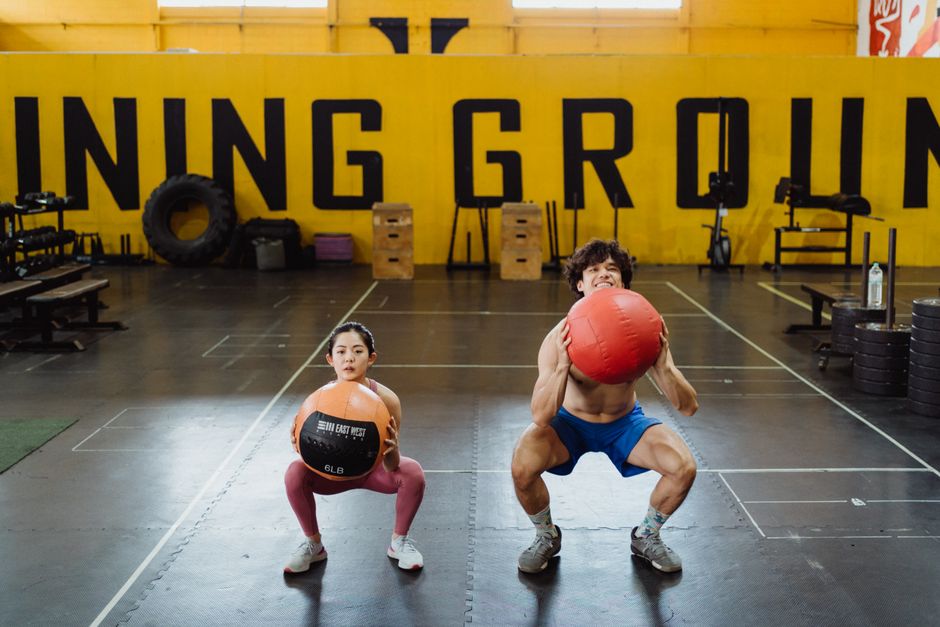
Sets and reps: 2 to 3 sets of 8 to 12 reps
Hold one dumbbell vertically against your chest with both hands. Stand with feet about shoulder-width apart and toes turned slightly out. Sit your hips down and back, keeping your chest tall and your heels on the floor, then stand up by pressing through your whole foot. Lower only as far as you can while keeping good control. If you don't have a dumbbell, start with a bodyweight squat, or lightly touch a chair with your hips each rep for a consistent depth.
Incline or Knee Push-Up
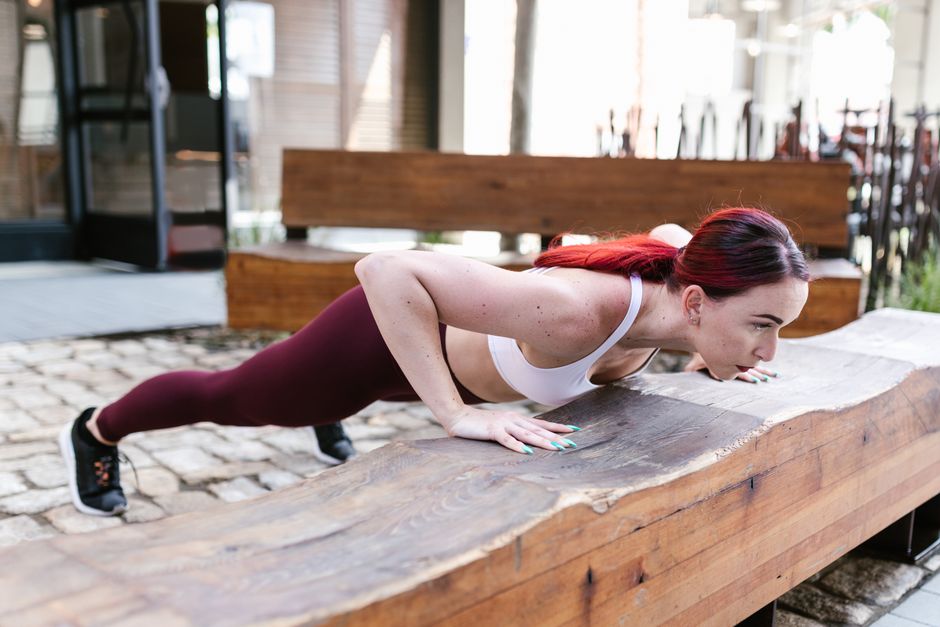
Sets and reps: 2 to 3 sets of 6 to 12 reps
Place your hands on a sturdy elevated surface, such as a countertop or heavy table, and step your feet back until your body forms a straight line from head to heels. Lower your chest toward the surface with elbows angled roughly 45 degrees from your body, then press back up. A higher surface makes the exercise easier, and a lower surface makes it harder. Keep your abdominal muscles engaged so your hips don't sag. A knee push-up on the floor is another option.
One-Arm Dumbbell Row
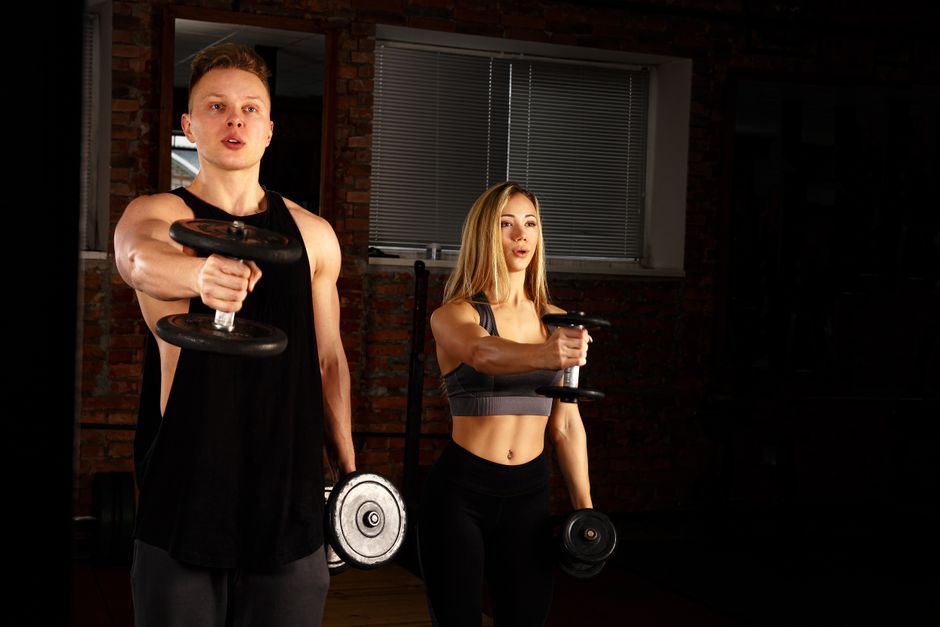
Sets and reps: 2 to 3 sets of 8 to 12 reps per arm
Place one hand and the same-side knee on a stable bench or sofa cushion (or just rest your hand on a sturdy chair seat while standing in a staggered stance). Hold a dumbbell in the other hand with your arm hanging straight down. Keep your back flat, pull the dumbbell toward your hip by driving your elbow back, pause briefly, and lower under control. Avoid twisting your torso to lift the weight.
Glute Bridge
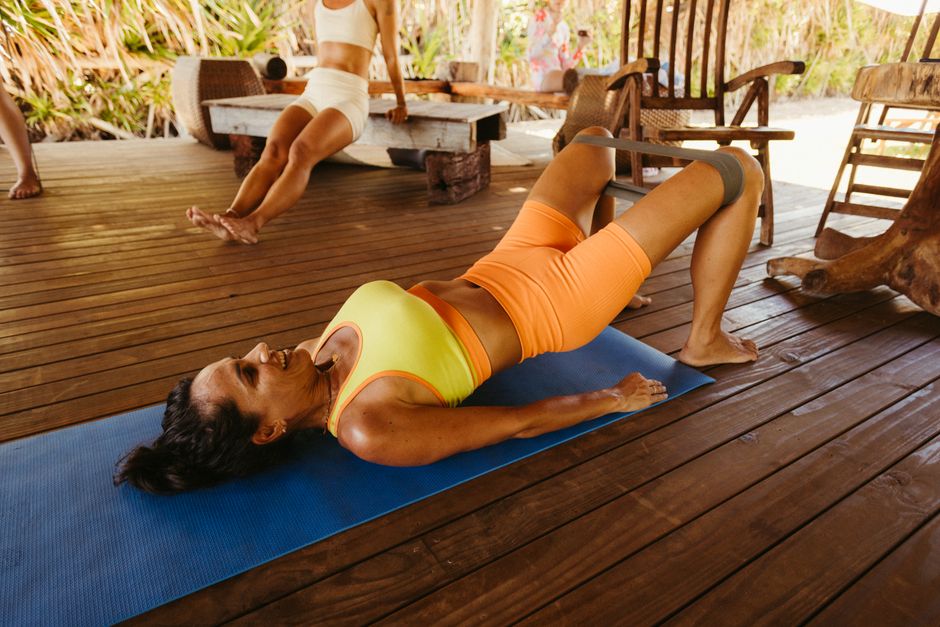
Sets and reps: 2 to 3 sets of 10 to 15 reps
Lie on your back with knees bent and feet flat on the floor about hip-width apart. Press through your heels to lift your hips until your body forms a fairly straight line from shoulders to knees, squeezing your glutes at the top without arching your lower back. Lower slowly. When this feels easy, you can rest a dumbbell across your hips or progress to doing one leg at a time.
This article is general information, not medical advice. Talk to a doctor or qualified professional before starting a new exercise program.